On people
面对离开
May 19, 2026 · 4 min read
The Portfolio
Sometime during the relationship, I opened an investment account.
Not for myself. For a future that didn't exist yet. A house, and after the house, an education fund for children we hadn't had. I mapped it out properly. Which instruments, what timeline, what returns I'd need. I was in university in Sydney, running a small agency on the side, and quietly building a financial architecture for a life I was certain was coming.
She didn't know the details. But I knew. And that felt like enough.
The Holding On
When she said we should end it, I didn't accept it cleanly.
I stayed in contact. I tried. For months I held onto the possibility that if I could just say the right thing, do more, care more visibly. Maybe the equation would change. I ran the same calculations I run in business: what's missing, what can I fix, what's the gap between where we are and where we could be.
The problem is that relationships aren't equations. And she had already done her math.
I won't romanticise how I handled it. I didn't let go gracefully. I held on longer than I should have, in the way that people do when they're grieving something they can't quite name yet.
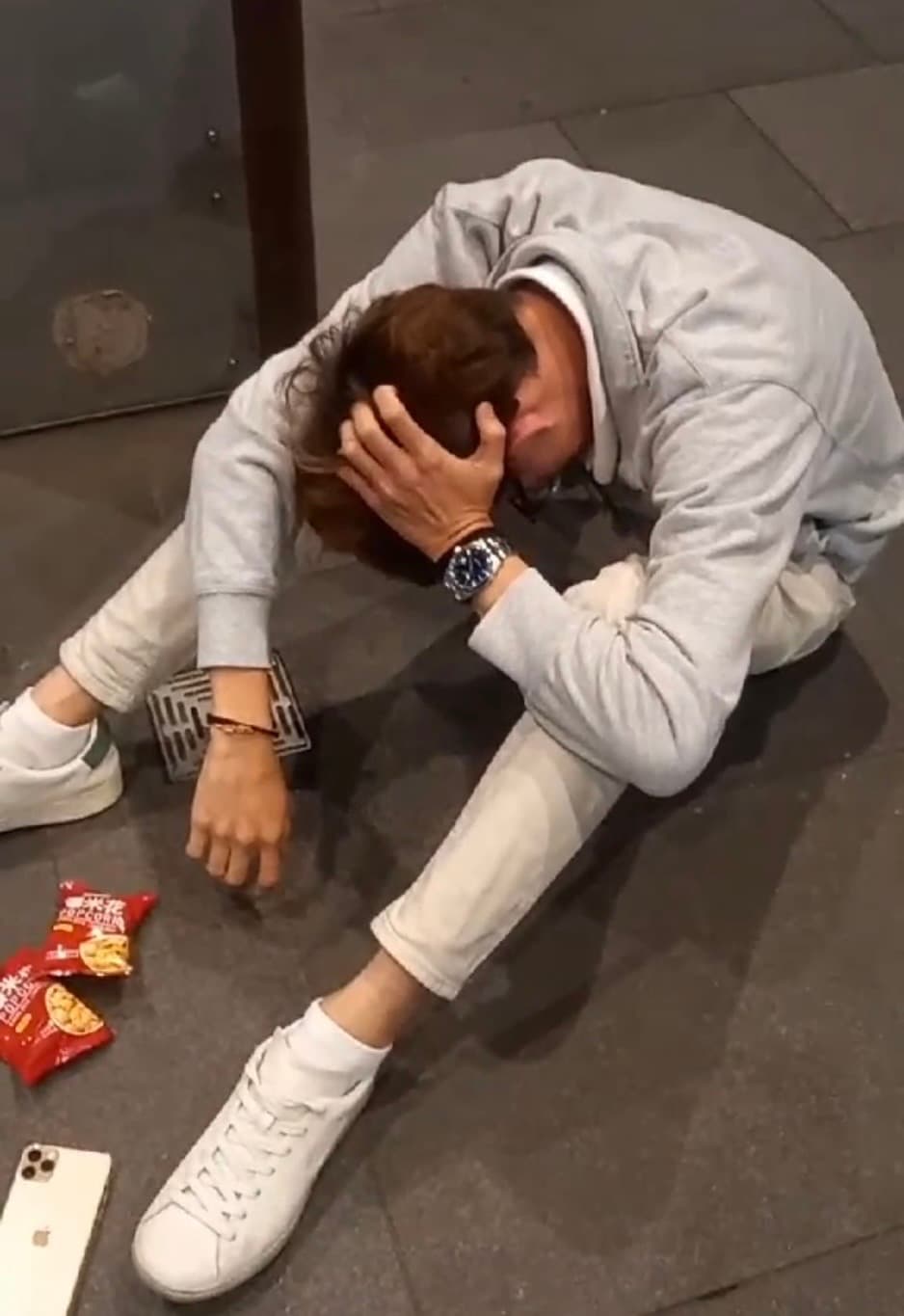 Chinatown light rail station, Sydney. The night everything caught up with me.
What You Were Actually Grieving
It took me a long time to understand what I was actually sad about.
It wasn't just her. It was the house. The portfolio. The children who were going to need an education fund. The version of Tuesday mornings and family dinners and arguments about small things that I had already, quietly, started building toward.
真正舍不得的,很多时候不是这个人本身,而是:我们本来可能一起去到的那个未来。
That future felt so real to me that losing it felt like losing something that had already happened. Like grieving a memory that was never made.
This is a particular kind of loneliness. Mourning a life that technically never existed. There's no grave to visit. No clear moment of loss. Just the slow realisation that a future you were already living inside your head is quietly being dismantled.
The Same Feeling, Different Faces
I've felt it in other places since then.
A co-founder who left. A developer who told me, after sitting across from a client I'd spent weeks building a relationship with, that he was done with the project. An editor who disappeared one day before a delivery. No calls answered, no messages replied to. Clients I believed in who said they weren't ready.
Every time, the same texture of loss. Not rage. Not even clear sadness. Just that specific feeling of a future quietly folding up.
Because when I bring someone into what I'm building, really bring them in, show them the vision, believe in what we could do together, I stop seeing them as they are today. I start seeing who they could become, what we could build, where this could go. So when it ends, I'm not just losing the person. I'm losing that version of the future. Again.
The Paradox
People assume that the one who holds on longest is the weakest.
I don't think that's true. I think they're the one who believed most completely. Who had already moved into the future in their imagination and couldn't find a quick way back out.
That's not weakness. That's the cost of genuine investment.
The question was never whether to grieve. It was whether I'd let the grief teach me something, or just let it take up space.
The lesson I kept avoiding was simpler than I wanted it to be: I cannot build futures inside other people without their full participation. No investment portfolio, no amount of caring more or doing more, changes someone else's direction. Some things are genuinely outside my control. Not as a consolation. As a fact.
成全
There's a version of "I wish you well" that's just a polished way of hoping someone suffers quietly somewhere else.
I know that version. I've felt it.
But there's another kind. One that takes longer to arrive at. Where you genuinely hope the person finds what they're looking for, even knowing it isn't you. Where you can think about your co-founder building something new and feel something close to pride. Where you can imagine the clients who said no eventually finding the right fit and feel relief for them, not resentment.
成全 is the word I keep returning to. It doesn't translate cleanly. Somewhere between "to help someone become what they're meant to be" and "to release someone with grace."
It costs something. But so does holding on.
I eventually chose to close the chapter. Not because I stopped caring. Because I decided that the most generous thing I could do, for her and for myself, was to stop trying to resurrect a future that had already ended. That decision didn't feel noble in the moment. It just felt necessary.
What Stays
I still have the investment account.
I haven't closed it. Not because I'm holding onto anything. The discipline of building for a future, even one that changed shape completely, taught me something I want to keep.
Some people walk with you for a season. Some for a chapter. Some for just long enough to show you something about yourself you needed to see. The man I worked with in the family business years ago. The editor who disappeared. The developer who walked away mid-project. Her. All of them changed something in me, even in leaving.
I've stopped trying to make the losses make sense immediately. Some of them I'm still carrying. But I've learned to carry them differently. Not as proof that something went wrong. As the weight of having genuinely tried.
That's enough.